Start With the Process, Not the Floor Plan
Purchasing a homesite can be one of the most rewarding ways to create a home tailored to your lifestyle. It also introduces a different set of decisions than buying an existing residence.
Before construction begins, buyers must consider the land itself, community requirements, architectural design, engineering, permitting, budgeting, and construction. Those pieces are closely connected, which is why assembling the right professionals early in the process often has a greater impact than many buyers realize.
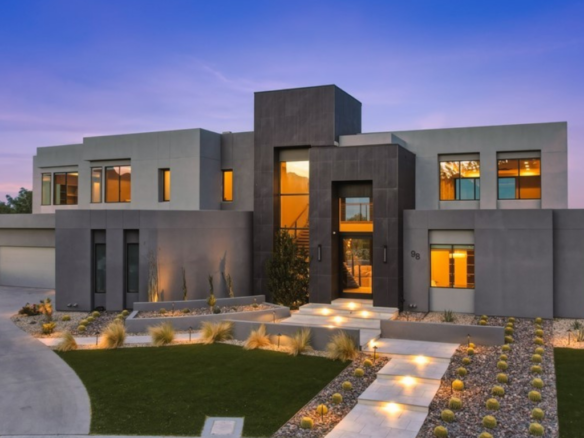
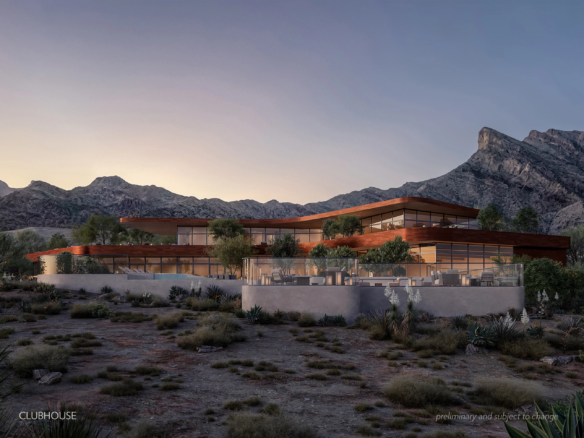
For clients considering a custom home in communities such as Ascaya, MacDonald Highlands, or other custom-home neighborhoods throughout Southern Nevada, understanding the process can help avoid costly delays and create a clearer path from homesite to finished residence.
Every Homesite Comes With Its Own Opportunities—and Constraints
A custom home doesn’t begin with an architectural style or a list of finishes.
It begins with the property.
Slope, elevation, orientation, access, views, utilities, HOA design guidelines, and grading requirements all influence what can ultimately be built. A home designed for one parcel rarely translates directly to another because every homesite presents a different set of opportunities.
Experienced architects and builders evaluate these conditions before design work begins, allowing the residence to respond to the site rather than forcing the site to accommodate the design.
Why Coordination Matters
Custom construction often involves architects, engineers, interior designers, contractors, landscape professionals, and permitting agencies.
Each plays an important role, but success depends on how well those disciplines work together.
Integrated design-build firms, such as Henderson-based LUXUS Design Build, bring many of those services under one roof. Rather than treating design, budgeting, engineering, and construction as separate phases, the team coordinates them throughout the project, helping homeowners make informed decisions before construction begins.
That coordinated approach can simplify communication while helping preserve the original design intent as plans move toward construction.
One Project, Many Years of Preparation
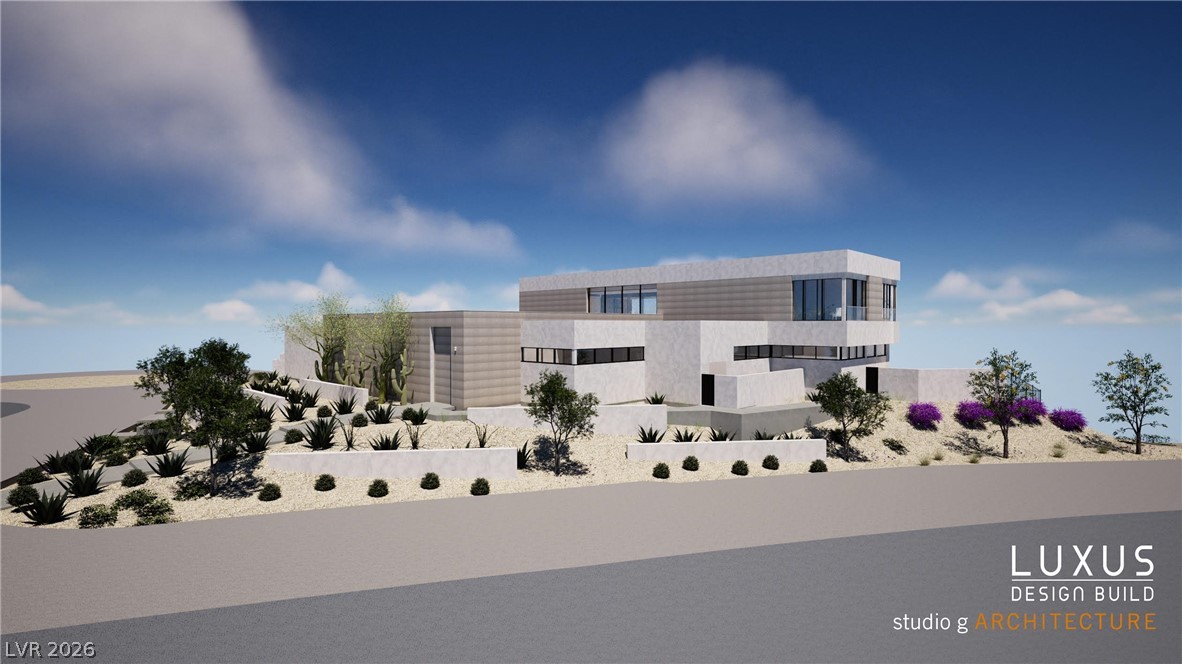
One example is 2 Heavens Edge Court in Ascaya.
Unlike a typical vacant lot, much of the preliminary work has already been completed. The property has been graded, utilities prepared, architectural plans approved, city permits secured, and HOA approvals obtained. For a buyer who appreciates the approved design, that represents a significant head start compared to beginning the process from scratch.
It’s a reminder that the value of a homesite isn’t determined solely by its size or location. The work completed before construction begins can be just as meaningful.
Thinking Beyond Construction Costs
One of the most common misconceptions about custom homes is that budgeting begins after the design is complete.
In practice, experienced teams consider budget alongside architecture from the beginning. Materials, engineering, construction methods, and scheduling all influence cost, and early coordination often creates greater flexibility before plans are finalized.
The goal isn’t simply to control expenses—it’s to ensure resources are directed toward the features that matter most to the homeowner.
Choosing the Right Team
Building a custom home is one of the most collaborative projects many homeowners will undertake.
The architect, builder, engineers, designers, and real estate professional each contribute a different perspective. Having a team that understands both the property and the broader market helps buyers evaluate not only what can be built, but how the finished home may fit within the surrounding community.
At Queensridge Realty, that guidance begins before construction. Whether clients are evaluating a homesite, comparing communities, or considering the long-term value of building versus buying, our role is to help them make informed real estate decisions and connect them with experienced professionals when specialized expertise is needed.
Final Perspective
Building a custom home is about far more than selecting finishes or reviewing floor plans. It begins with understanding the land, assembling the right team, and creating a plan that connects architecture, construction, budget, and lifestyle.
For buyers exploring custom home opportunities throughout Southern Nevada, understanding that process is one of the best investments they can make before construction ever begins.