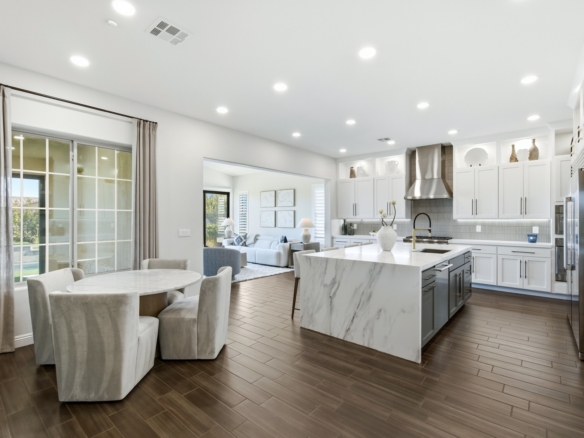

A Step-by-Step Guide for Buyers
Buying a home in Las Vegas is a defined process, but local rules, timelines, and market dynamics often surprise buyers—especially those relocating from out of state. From understanding how offers are structured to navigating escrow and inspections, knowing what to expect at each stage makes the experience far more manageable.
This guide breaks down the Las Vegas home buying process step by step, offering clarity on how transactions typically unfold and what buyers should prepare for along the way.
Step 1: Getting Pre-Approved Before You Start Shopping
Before touring homes or making offers, buyers should obtain a mortgage pre-approval from a lender. In Las Vegas, pre-approval is not just a formality—it is often essential for submitting a competitive offer.
A pre-approval confirms:
-
your purchasing power
-
that income and credit have been reviewed
-
your readiness to proceed when the right property becomes available
Pre-qualification, which is based on self-reported information, is not the same and may not carry weight with sellers in competitive segments.
Step 2: Working With a Local Las Vegas Real Estate Expert
Las Vegas is a market where local knowledge matters. Neighborhoods, pricing strategies, HOA structures, and buyer expectations can vary significantly from one area to another.
Working with an experienced local brokerage like Queensridge Realty helps buyers:
-
identify communities that align with lifestyle and long-term goals
-
understand pricing nuances across different neighborhoods
-
navigate contracts, disclosures, and timelines specific to Southern Nevada
This guidance becomes especially valuable for buyers new to the area or entering higher-value market segments.
Step 3: Touring Homes and Evaluating Neighborhoods
Once pre-approved, buyers begin touring homes and narrowing their focus. In Las Vegas, this step often includes evaluating more than just the home itself.
Key considerations typically include:
-
neighborhood character and amenities
-
proximity to employment centers, schools, and recreation
-
HOA rules, fees, and restrictions
-
resale potential and long-term value
Understanding how these factors differ between communities—such as master-planned neighborhoods, guard-gated enclaves, and established residential areas—helps buyers make more informed decisions.
Step 4: Making an Offer and Negotiating Terms
When buyers are ready to move forward, their agent prepares an offer outlining price, contingencies, timelines, and any additional terms.
In Las Vegas, offers often include:
-
financing and appraisal contingencies
-
inspection periods
-
negotiated closing costs or concessions, depending on market conditions
Market dynamics play a major role at this stage. In competitive environments, clean offers and strong financial positioning can make a meaningful difference. In slower markets, buyers may have more room to negotiate price or terms.
Step 5: Escrow, Inspections, and Due Diligence
Once an offer is accepted, the transaction enters escrow. During this period, buyers complete inspections and review disclosures while the lender finalizes loan approval.
Typical steps include:
-
scheduling a home inspection
-
reviewing seller disclosures
-
addressing any repair requests or credits
-
monitoring appraisal progress
Escrow timelines in Las Vegas are structured but can vary depending on financing type, property condition, and transaction complexity.
Step 6: Appraisal, Final Approval, and Closing
As escrow progresses, the lender orders an appraisal to confirm the home’s value. Once the appraisal and underwriting are complete, buyers receive final loan approval and closing documents.
Before closing, buyers should:
-
review the settlement statement
-
ensure funds for closing are ready
-
complete a final walkthrough of the property
After documents are signed and recorded, ownership officially transfers and buyers receive their keys.
Common Questions Buyers Ask in Las Vegas
How long does it take to buy a home in Las Vegas?
From offer acceptance to closing, most transactions take approximately 30 days, though timelines can vary.
Do buyers typically pay closing costs?
Closing costs depend on financing terms and negotiations. In some cases, sellers may contribute toward buyer costs.
What surprises out-of-state buyers most?
HOA structures, desert property considerations, and neighborhood distinctions are often areas where local insight proves especially valuable.
Final Thoughts
The home buying process in Las Vegas is straightforward when buyers understand each step and work with professionals who know the local market. Preparation, clear expectations, and experienced guidance help ensure a smoother path from pre-approval to closing.
For buyers considering a move in Southern Nevada, understanding how the process works locally is one of the most important first steps.